Vision & Policy Framework
A comprehensive approach to family development, demographic strategy, and social cohesion — anchoring the UAE's human development agenda for the next decade.
A National Vision for Family-Centric Governance
The Ministry of Family operates at the intersection of social policy, demographic planning, and human development — with a clear mandate to ensure that every UAE family has the support, resources, and opportunities to thrive.
Four Pillars of Family Development
1. Family Cohesion & Stability
Creating an enabling environment where families can form, grow, and thrive. This pillar addresses marriage support, conflict resolution, counseling services, and legislative frameworks that protect family integrity while adapting to modern challenges.
2. Demographic Resilience
Strategic initiatives addressing fertility rates, family formation incentives, and population sustainability. This pillar integrates economic support, housing policies, and workplace flexibility to encourage family growth aligned with national development goals.
3. Social Protection
Building robust safety nets for the most vulnerable members of society — People of Determination, senior citizens, orphans, and abuse survivors. This pillar ensures dignity, access, and opportunity through integrated government services and community support.
4. Early Human Development
Investing in the critical early years (0–8) through the Abu Dhabi Early Childhood Authority, this pillar focuses on health, education, child protection, and caregiver support — recognizing that the first years of life shape lifetime outcomes.
Policy in Action
Real-world implementation of the Ministry's strategic framework, demonstrating measurable impact across the UAE.
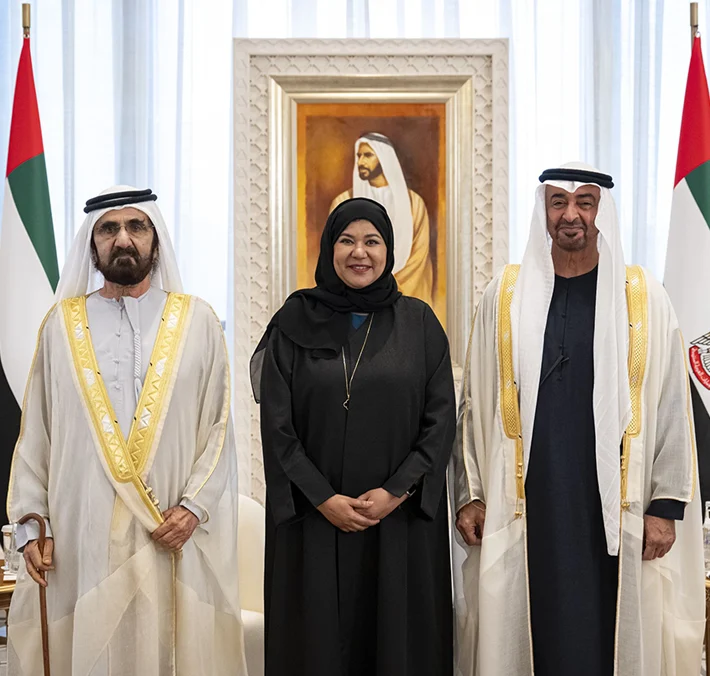
Integrated Family Support Ecosystem
The Ministry has developed a comprehensive support system that connects families with services across the lifecycle — from prenatal care and early childhood programs to marriage counseling, elder care, and crisis intervention.
This integrated approach ensures that no family falls through the gaps between different government agencies, creating a seamless experience that responds to each family's unique needs.
Impact: The ecosystem model has been recognized internationally as a best practice in family-centric governance, demonstrating how coordinated services deliver better outcomes at lower cost.
Demographic Strategy & Family Formation
Addressing demographic challenges requires a multi-dimensional approach. The Ministry has implemented incentive programs that address key barriers to family formation — including housing affordability, work-life balance, and financial planning.
These programs are designed not as standalone interventions, but as part of an integrated strategy that aligns with the UAE's broader economic and social development goals.
Impact: Early indicators show positive trends in family formation rates, marriage support program utilization, and family satisfaction metrics across targeted demographics.
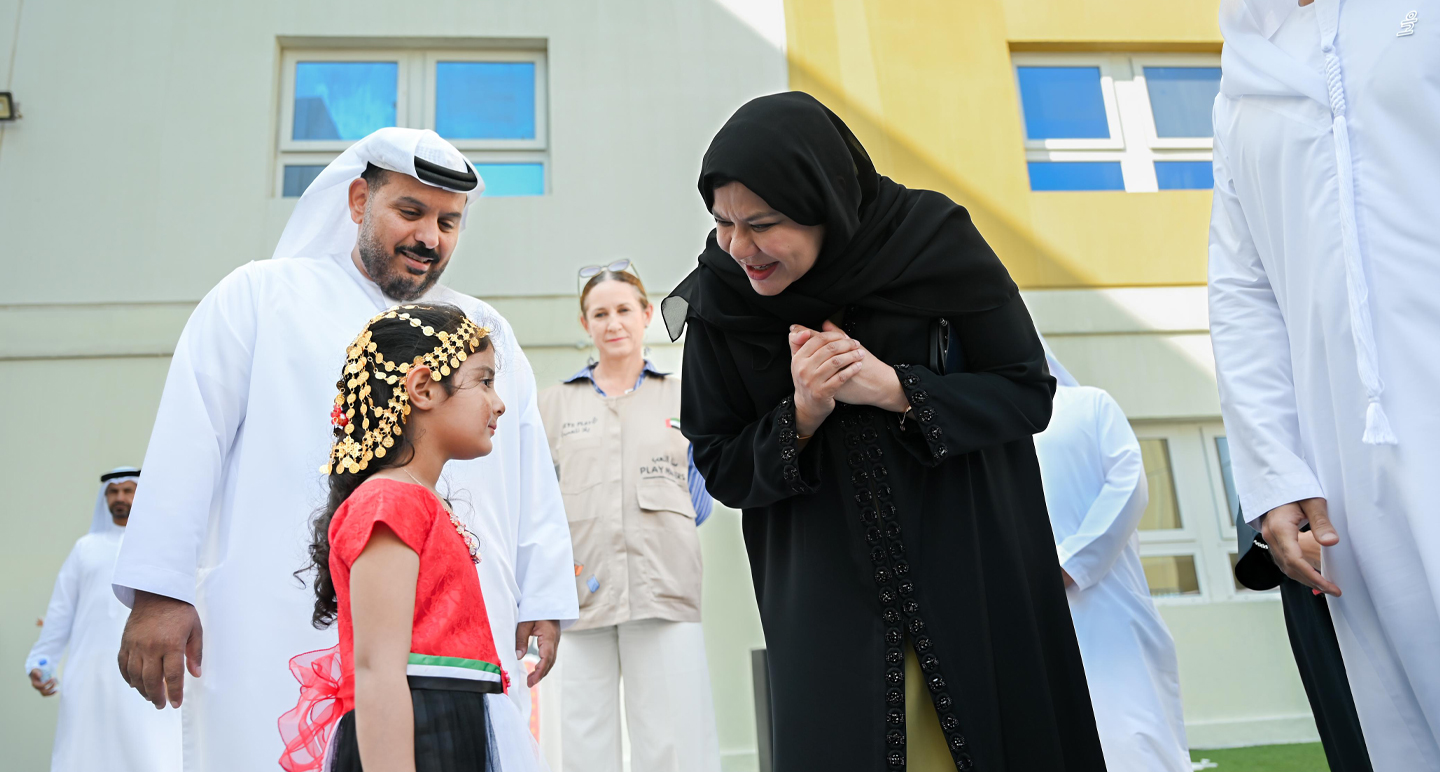
Preventing Family Breakdown
Proactive policy frameworks designed to identify and address risk factors before they escalate, protecting family stability and social cohesion.
Early Warning Systems
Data-driven mechanisms to identify families at risk of breakdown, enabling early intervention through counseling, financial support, and social services before crises escalate.
Conflict Resolution Infrastructure
A nationwide network of family mediation and counseling centers, staffed by trained professionals, providing confidential and culturally sensitive support to families in conflict.
Legislative Frameworks
Modern family laws that balance protection with empowerment, ensuring that legal frameworks support family stability while safeguarding individual rights and dignities.
Community Engagement Programs
Grassroots initiatives that build social support networks around families, connecting them with community resources, peer support groups, and culturally relevant services.